

What is PFAS?

PFAS are a group of man-made chemicals found in thousands of everyday products. They were created to resist heat, water, stains, and grease. Because of that, they show up in cookware, food wrappers, outdoor clothing, carpets, and firefighting foam.
These chemicals do not break down. They move through soil and water. They build up in the environment and in the human body. PFAS are often called “forever chemicals.”
New Jersey has a long industrial history, so PFAS have been detected in many areas of the state. Homeowners across Bergen, Passaic, and Morris counties now ask how PFAS get into drinking water and what they can do about it.
Where Does PFAS Come From?
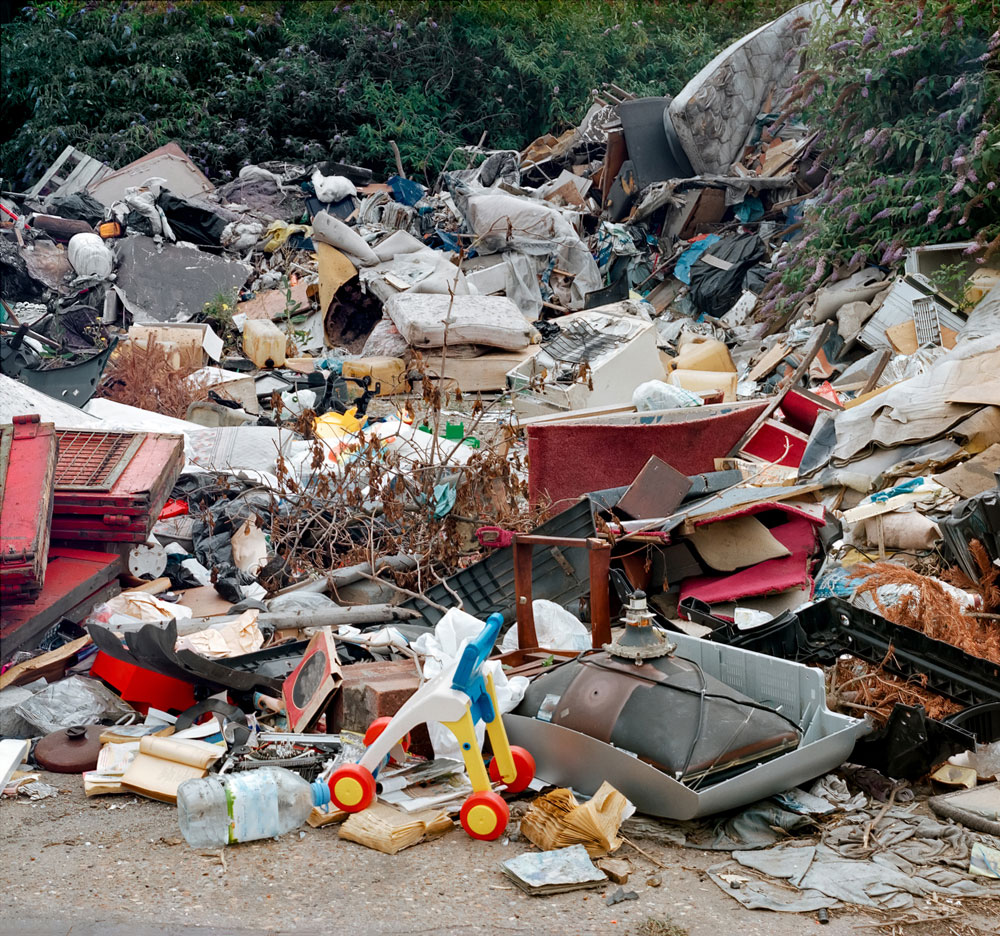
- Industrial manufacturing
- Firefighting foam used at airports and military sites
- Landfills and waste sites
- Water runoff from contaminated soil
- Older industrial areas that produced coatings or plastics
PFAS enter water when factories discharge waste, when firefighting foam is used, or when chemicals break down in landfills. Once PFAS reach groundwater, they spread over time.
Why Does PFAS End Up in Your Drinking Water?
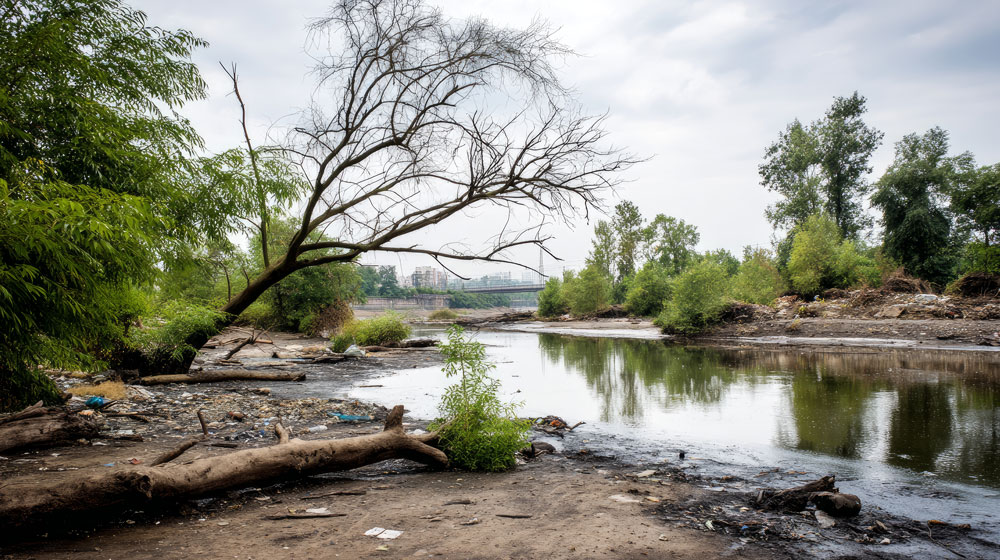
PFAS dissolve in water and pass through many filters. They seep into:
- Groundwater feeding private wells
- Rivers and reservoirs supplying towns
- Municipal pipes and treatment facilities
Types of PFAS Found in New Jersey
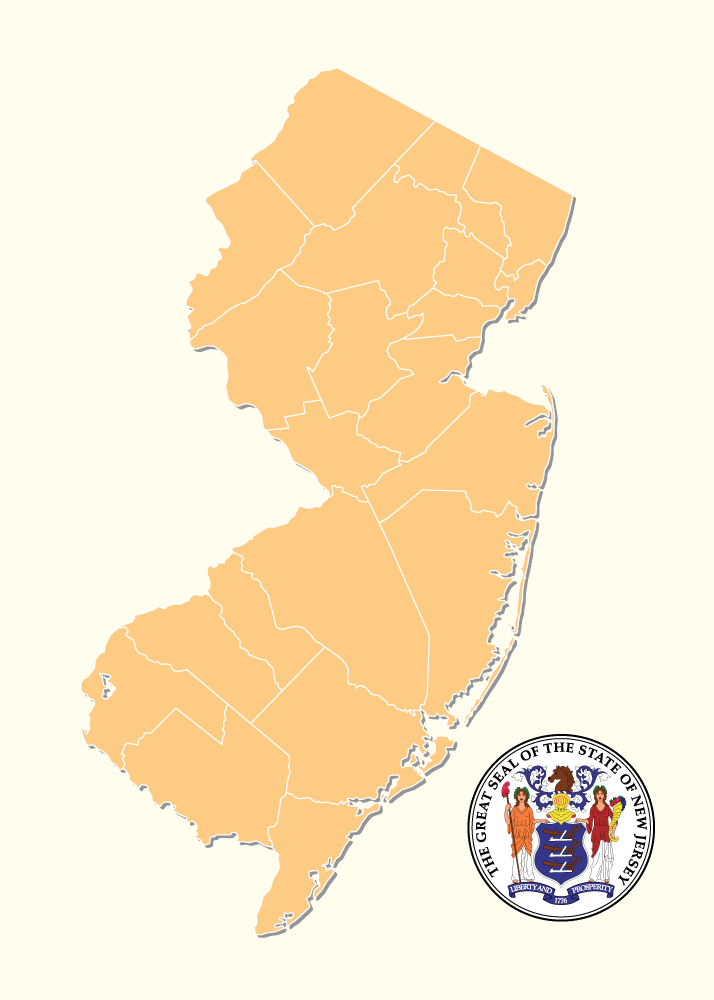
- PFOA
- PFOS
- PFNA
How Widespread is PFAS?
PFAS move through soil, streams, groundwater, and reservoirs. They stay in the environment for decades and in your body for years.PFAS in Bergen, Passaic, and Morris Counties
Bergen County has industrial sites and landfills. Passaic County has manufacturing corridors and groundwater issues. Morris County has older industrial areas and many private wells.Why Homeowners Should Care
PFAS have no taste or smell. Only a certified test can confirm ingestion. PFAS accumulate over time and prolonged exposure may contribute to health concerns.Frequently Asked Questions
Are PFAS the same as PFOA and PFOS?
PFAS is the broad name for a large family of chemicals.
PFOA and PFOS are two of the most common and most studied members of that family.
New Jersey tests for several PFAS chemicals, but PFOA and PFOS show up the most in town reports because they were used heavily in manufacturing and firefighting foam.
All three — PFAS, PFOA, and PFOS — behave similarly in water and the environment, which is why they are grouped together in most public notices.
Can PFAS be boiled out of water?
No. Boiling water does not remove PFAS.
When water boils, the steam leaves the pot but the PFAS stay behind.
This means boiling actually increases the concentration because there’s less water left and the same amount of PFAS.
PFAS can only be removed with a filtration system designed to capture them, like a POET system or a PFAS-rated carbon system.
Does bottled water contain PFAS?
Some brands do.
PFAS show up in bottled water when the bottling plant uses a groundwater source that already contains PFAS, or when the packaging process uses materials that contribute trace amounts.
Not all bottled water brands test regularly for PFAS, and most labels do not list PFAS results.
If you rely on bottled water, look for brands that publish their test reports or use reverse osmosis and activated carbon filtration.
Are PFAS regulated in NJ?
Yes. New Jersey has some of the strictest PFAS rules in the country.
The state regulates three PFAS chemicals — PFNA, PFOA, and PFOS — and requires public water systems to test for them on a set schedule.
New Jersey also set low Maximum Contaminant Levels (13–14 parts per trillion), which forces towns to notify residents and take action when levels exceed the limits.
Private wells are not regulated, so homeowners must test on their own.
How do PFAS get into wells?
PFAS reach private wells when contaminated groundwater flows through the soil and into the aquifer the well draws from.
They come from old industrial sites, landfills, firefighting foam, and stormwater runoff.
Because PFAS travel easily underground and do not break down, they can move long distances and show up in wells far from the original source.
A well can test positive even when neighboring homes on public water do not, since wells pull directly from the groundwater below the property.